

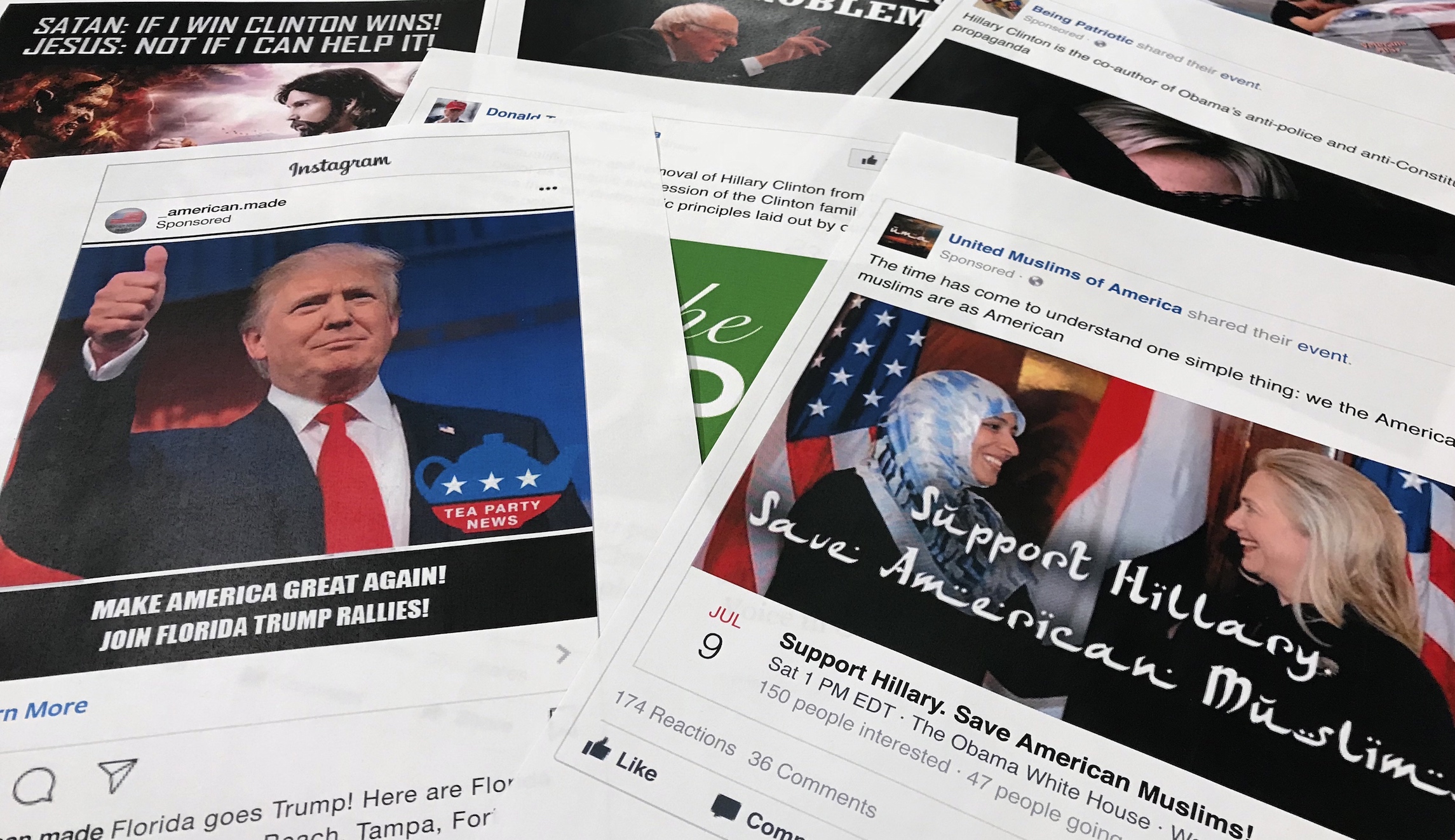
The Beltway isn’t the only part of America already focused on the 2020 presidential campaign; Silicon Valley, bruised by foreign misuse of its social media standouts three years ago, is too.
“The upcoming elections will be a real test of the protections we’ve put in place” since, Facebook CEO Mark Zuckerberg told investors Wednesday as he outlined the company’s priorities after a year of congressional scrutiny that nonetheless saw revenue grow 38 percent to $55 billion.
Recommended Stories


With a base of users now averaging 2.6 billion a month, he said, “we’ll see all the good and bad humanity can do.”
Following claims that Russian agents seeking to buoy President Trump’s campaign misused Facebook’s platforms in 2016, the social media giant has invested heavily in fighting such attempts. Prior to the midterm U.S. elections in November, when Democrats regained control of the House of Representatives, Facebook and its rivals flagged millions of posts a week for suspicious activity.
In late October, Facebook publicly announced it had taken down dozens of pages traced to Iran — under severe sanctions from the Trump administration — for inauthentic political content. The posts blasted the real-estate mogul as “the worst president in U.S. history” and compared Supreme Court Justice Brett Kavanaugh’s complaints about unproven sexual misconduct accusations to the deaths of black men in police custody.
In addition to fighting influence campaigns from the Islamic Republic and Russia, Facebook has also identified attempts to interfere in elections in the U.K., Brazil and other countries, Zuckerberg said.
[Also read: Mueller says his files were leaked to Russia, which used them for ‘disinformation campaign’]
The firm and rivals like Twitter and Google’s YouTube have all built algorithms and hired staff to filter out false content, an effort which has generated concern from Republican lawmakers and conservative activists — as well as President Trump — that their opinions are being targeted.
The debate may only grow more heated, with social media already a battleground in a campaign that Trump — who has more than 57 million Twitter followers and a penchant for unguarded posts — began preparing for shortly after he took office. In addition to the possibility of a GOP primary challenger, he faces potential Democratic nominees from Sens. Elizabeth Warren, Kamala Harris, and Sherrod Brown to independent Howard Schultz, the longtime head of coffeehouse chain Starbucks.
While Facebook has introduced transparency tools that make it easier to identify the organizations behind political content, Zuckerberg said he expects 2019 “to be another year of significant investment.” Last year was challenging, he added, but “we’ve made a lot of progress on some of our toughest issues.”
Facebook rose 12 percent to $167.85 on Wednesday after the close of regular trading in New York. Its profit of $2.38 a share in the three months through December topped the $2.13 average estimate from analysts surveyed by FactSet, and net income climbed 61 percent to $6.88 billion.
