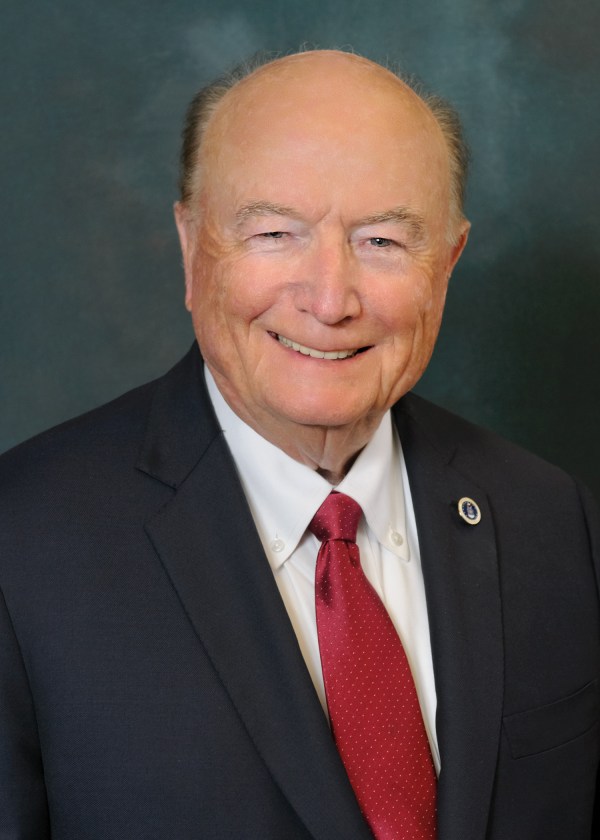
Taxpayers got the short end of the stick on Thursday when Phil Angelides, Democratic chairman of the taxpayer-funded Financial Crisis Inquiry Commission, released the panel’s final report on the causes of the Great Recession of 2008. Rather than provide the bipartisan view of the origins of the financial crisis, as mandated by Congress, the panel split along partisan lines because of Angelides’ refusal to incorporate the views of Republican members. So, instead of one consensus report, there are three competing assessments (that of the majority, a minority report signed by three Republican members, and an individual dissent by Commissioner Peter Wallison).
Commissioner Douglas Holtz-Eakin told The Examiner that the Republican commissioners would provide edits to drafts of the report, only to have returned new drafts that still didn’t reflect their changes, only “to be asked at the last minute to sign off.” Vice Chairman Bill Thomas, former chairman of the House Ways and Means Committee, told The Examiner that he was exasperated by such tactics: “I was not aware that the material we thought had been cooperatively agreed to wasn’t in [the report] because it didn’t pass muster.” In fact, Thomas said, Angelides “went through by himself and made changes which were not known until the document was presented to the commission.” Holtz-Eakin added that “the fact that we have to guess at what the process [to write the report] was shows you exactly the problem with the commission.”