

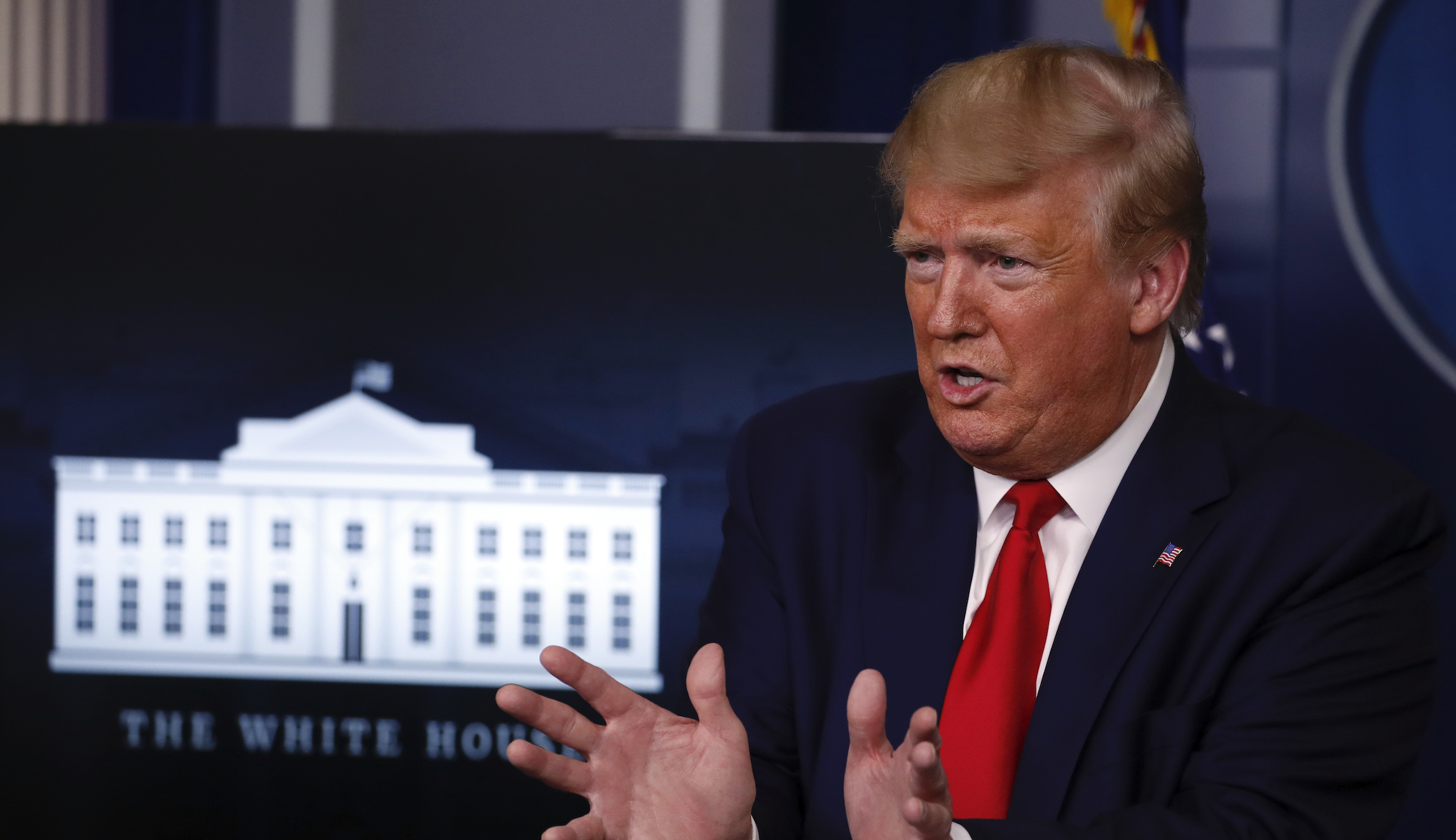
A Democratic state representative from Detroit credited an anti-malaria drug pushed by President Trump for helping her recover from the coronavirus and thanked the president for pushing to make the treatment “accessible” for COVID-19 patients.
State Rep. Karen Whitsett tested positive for the virus on Monday after experiencing symptoms late last month and self-quarantining. She has since gotten better after taking hydroxychloroquine, a drug intended to treat malaria. She appeared on The Ingraham Angle Monday night and praised Trump for speaking out about the positive, albeit early, signs that the drug could be used to treat the coronavirus.
Recommended Stories


“I went from 0 to 100 in [no] time, and it went from the headaches to being extremely severe to fluid building up in my lungs to sweats breaking out, the cough. My breathing being labored. It all happened in a matter of hours,” she said.
“I knew about [hydroxychloroquine] previously because I do have chronic Lyme disease,” Whitsett added. “It was not something that, unless the president had mentioned it, that it would be accessible. If the president, if President Trump had not talked about this, it would not be something that’s accessible for anyone to be able to get right now. It would not even be possible. And I mean that honestly.”
Whitsett also explained that she had trouble obtaining the drug because Michigan Gov. Gretchen Whitmer threatened physicians prescribing the drugs, saying they were subject to “administrative action” should they continue to use the medication. However, the governor has since reversed that proclamation.
The state lawmaker also noted that she “was better within a couple of hours” after taking hydroxychloroquine. During an earlier interview, a reporter asked Whitsett if she believed Trump saved her life, and she answered: “Yes, I do. I do thank him for that.”
While Whitsett had success taking the anti-malaria drug, which the president has repeatedly touted, another member of his coronavirus task force, Anthony Fauci, director of the National Institute of Allergy and Infectious Diseases, has frequently downplayed the success of the drug, arguing that there is no “strong” evidence it can treat the coronavirus.
