

Wisconsin may not hold its primary on Tuesday after all, following an executive order from the state’s governor.
Tony Evers, a Democrat elected in 2018, issued the directive Monday afternoon, pushing back the voting date two months. The move comes amid concerns from public health professionals that holding an election amid the coronavirus outbreak could endanger lives and lead to low turnout.
Recommended Stories


The decision is a startling reversal, as both Republicans and Democrats in the state were in a deadlock over what to do as a number of other states pushed back their own primaries. Earlier this month, a federal judge ruled the Wisconsin primary could proceed as scheduled. Evers then called a special session of the Republican-majority legislature over the weekend, seeking to force lawmakers to enact a delay. But GOP lawmakers adjourned without taking action, effectively leaving Tuesday as the primary date.
A statement by Republican legislators in the state said they would immediately be challenging the order to the Wisconsin State Supreme Court.
“The clerks of this state should stand ready to proceed with the election. The governor’s executive order is clearly an unconstitutional overreach,” said State Sen. Scott Fizgerald and Wisconsin Assembly Speaker Robin Vos.
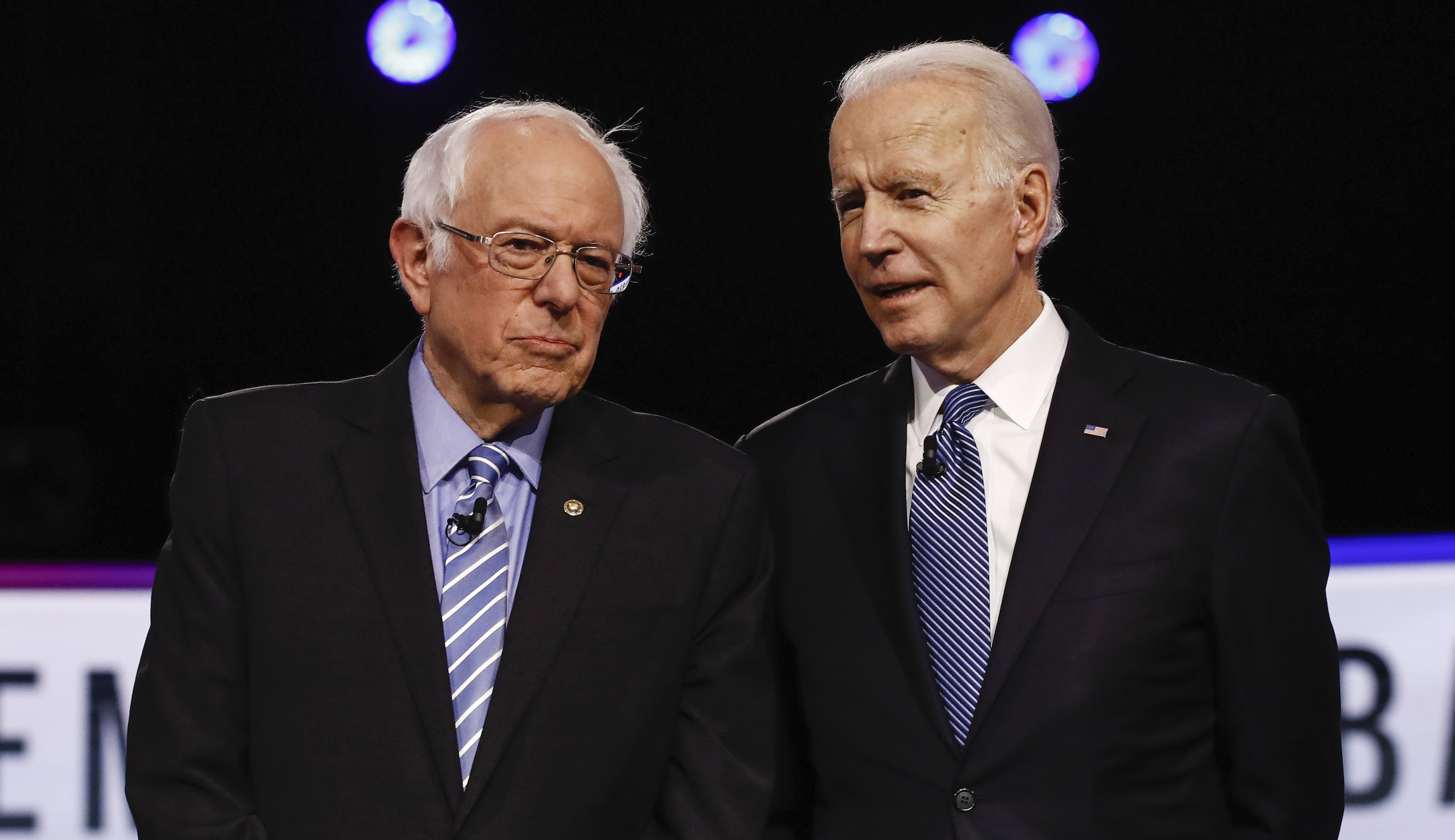
Joe Biden, the presumptive Democratic presidential nominee, holds a wide lead over his remaining rival, Vermont Sen. Bernie Sanders. The Wisconsin primary also features a swath of down-ballot races, including a state Supreme Court Justice who Democrats hope to replace.
On April 2, a U.S. district judge ruled that the elections would proceed as scheduled, even as a number of potential poll workers expressed fear that volunteering could put their health at risk.
“As much as the court would prefer that the Wisconsin Legislature and Governor consider the public health ahead of any political considerations, that does not appear in the cards. Nor is it appropriate for a federal-district court to act as the state’s chief health official by taking that step for them,” Judge William Conley wrote in a 53-page ruling.
Over 1.1 million Wisconsin voters requested an absentee ballot in anticipation of the election, far short of the 2.1 million who voted in the state in the 2016 primaries.
In anticipation for the election, Evers prepared to deploy the national guard to monitor polling stations. He had previously said he did not have the power to move the election through executive authority alone.
Evers also proposed sending every registered Wisconsin voter a ballot, but GOP lawmakers blocked the move citing concerns about voter fraud.
Last week, Sen. Bernie Sanders called on the state to move its elections, citing the 15 other states that have moved or modified their primaries because of the pandemic.
“People should not be forced to put their lives on the line to vote, which is why 15 states are now following the advice of public health experts and delaying their elections,” Sanders said in a statement on Wednesday. “We urge Wisconsin to join them.”
Rumors began swirling around the weekend that Sanders would drop out after a decisive loss in Wisconsin, where he trails by double-digits to Joe Biden in a number of polls.
Biden, the presumptive nominee as Sanders has no realistic path to the nomination at this point, fell short of calling for a delay.
“I think it could be done based on what I’m hearing from the news and what I understand the governor and others are saying. But that’s for them to decide,” the former vice president said last week.
