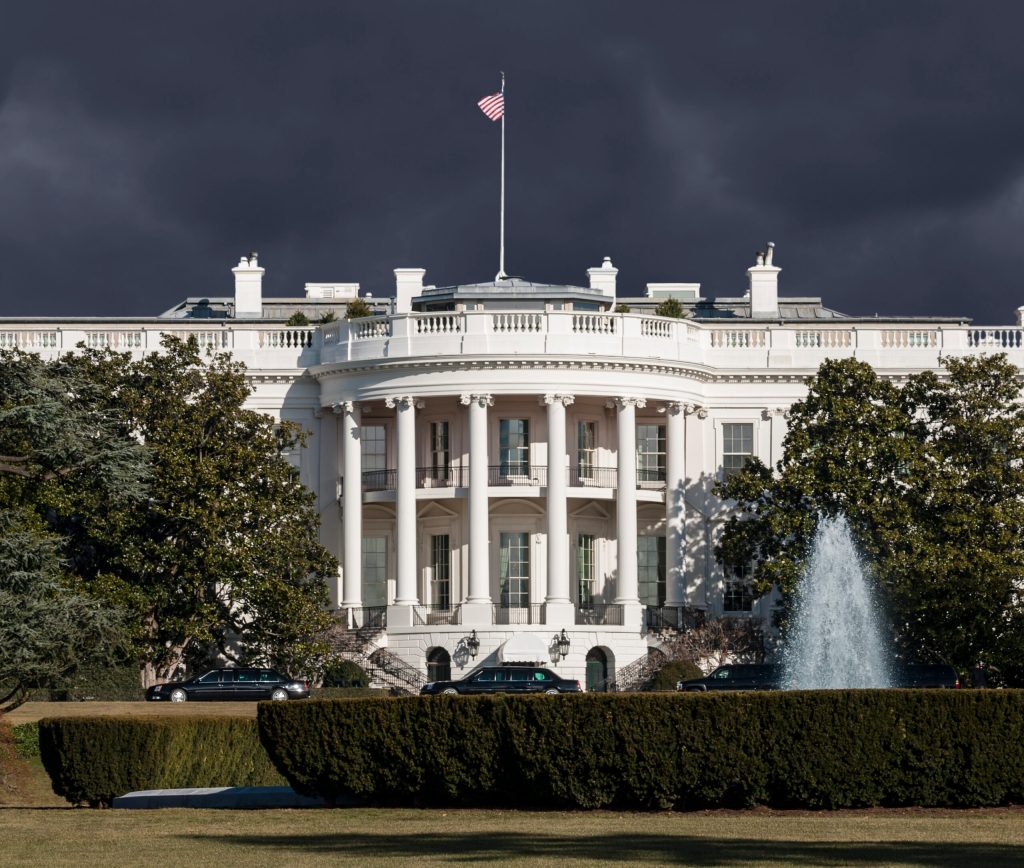
Transparency in government is among the few remaining issues on the national public policy agenda that generate nearly unanimous agreement across the ideological spectrum. For that reason, the decision by the U.S. Appeals Court for the District of Columbia in Judicial Watch, Inc. v U.S. Secret Service that White House visitor logs are not public records subject to the Freedom of Information Act is doubly surprising and disappointing. It is difficult to conceive of a federal record of greater public interest than the names of who is getting face-time with the chief executive and his aides at 1600 Pennsylvania Ave. It’s not for nothing that the presidential residence is called “the peoples’ house” and the president, his aides and his family are merely temporary occupants with a four-year business lease.
Although it had antecedents during the previous Republican administration of President George W. Bush, the legal trail in the present case began in 2009 when the conservative Judicial Watch watchdog non-profit filed suit in federal court after the U.S. Secret Service denied the group’s FOIA request for copies of the official White House Visitors Log. It is true the FOIA specifically exempted the president’s daily calendar, but the signup sheets of visitors and the officials with whom they meet that are maintained by the Secret Service are not part of that calendar.