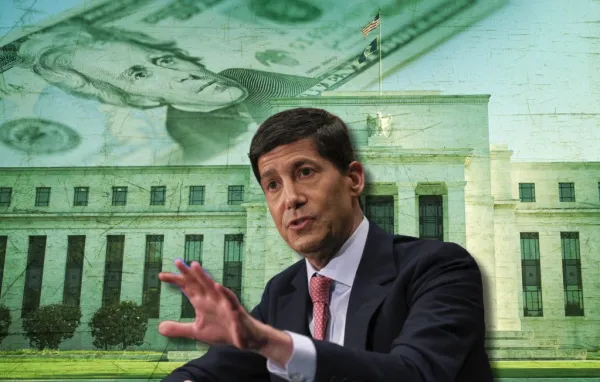
On Sept. 16, the Federal Reserve raised its benchmark interest rate by 25 basis points to a target range of 3.75% to 4% — its first rate hike in more than three years. Chairman Kevin Warsh described the move as essential to restoring the Fed’s credibility on inflation after more than five years of prices running above the 2% target. He is not wrong about the inflation problem. He may be applying the solution at the worst possible moment.
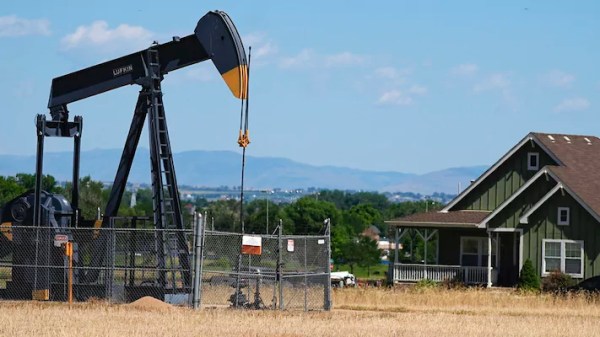
The indicators behind the decision are real. Consumer prices rose 3.4% over the 12 months ending in August — well above target, though down from a peak of 4.2% in May. Core inflation, which strips out food and energy, ran at 2.5%. The Iran conflict that shut the Strait of Hormuz in late February triggered a sharp energy price shock, and tariffs that were announced in 2025 began flowing through retail supply chains with their characteristic multimonth lag, pushing apparel prices up 4.8% and sports equipment up 4.2% at the peak. The Fed held rates steady through most of 2026 as these pressures built. The September hike represents the committee’s judgment that holding further was no longer defensible.