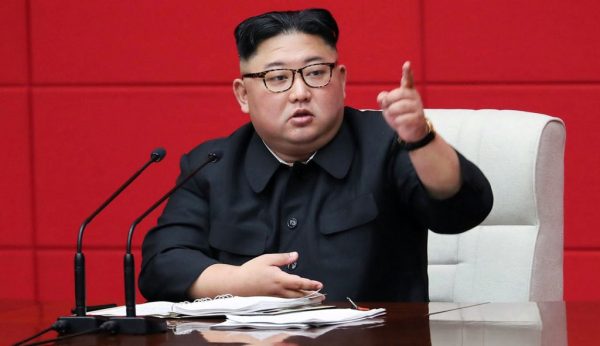
On Oct. 10, North Korea marked the 81st anniversary of the founding of the Workers’ Party of Korea. Unlike last year’s large-scale military parade for the party’s 80th anniversary, which drew senior foreign dignitaries, this year’s event in Pyongyang featured celebratory performances rather than a military parade. Leader Kim Jong Un attended with his wife, Ri Sol Ju, and his daughter, Kim Ju Ae, but delivered no public speech or separate message.
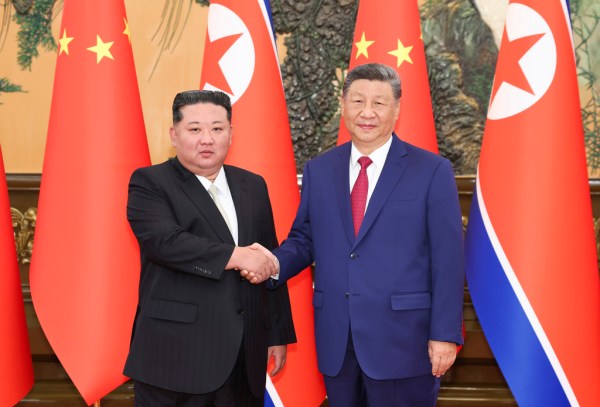
At first glance, it was a subdued anniversary. Yet the smaller scale of the event does not necessarily mean that the political message North Korea seeks to convey has weakened. Instead, the occasion offers a useful lens through which to examine how the regime defines itself: consolidating domestic unity through loyalty to the party, expanding its diplomatic room for maneuver through relations with China and Russia, and presenting nuclear weapons as a symbol of national survival and independence.