

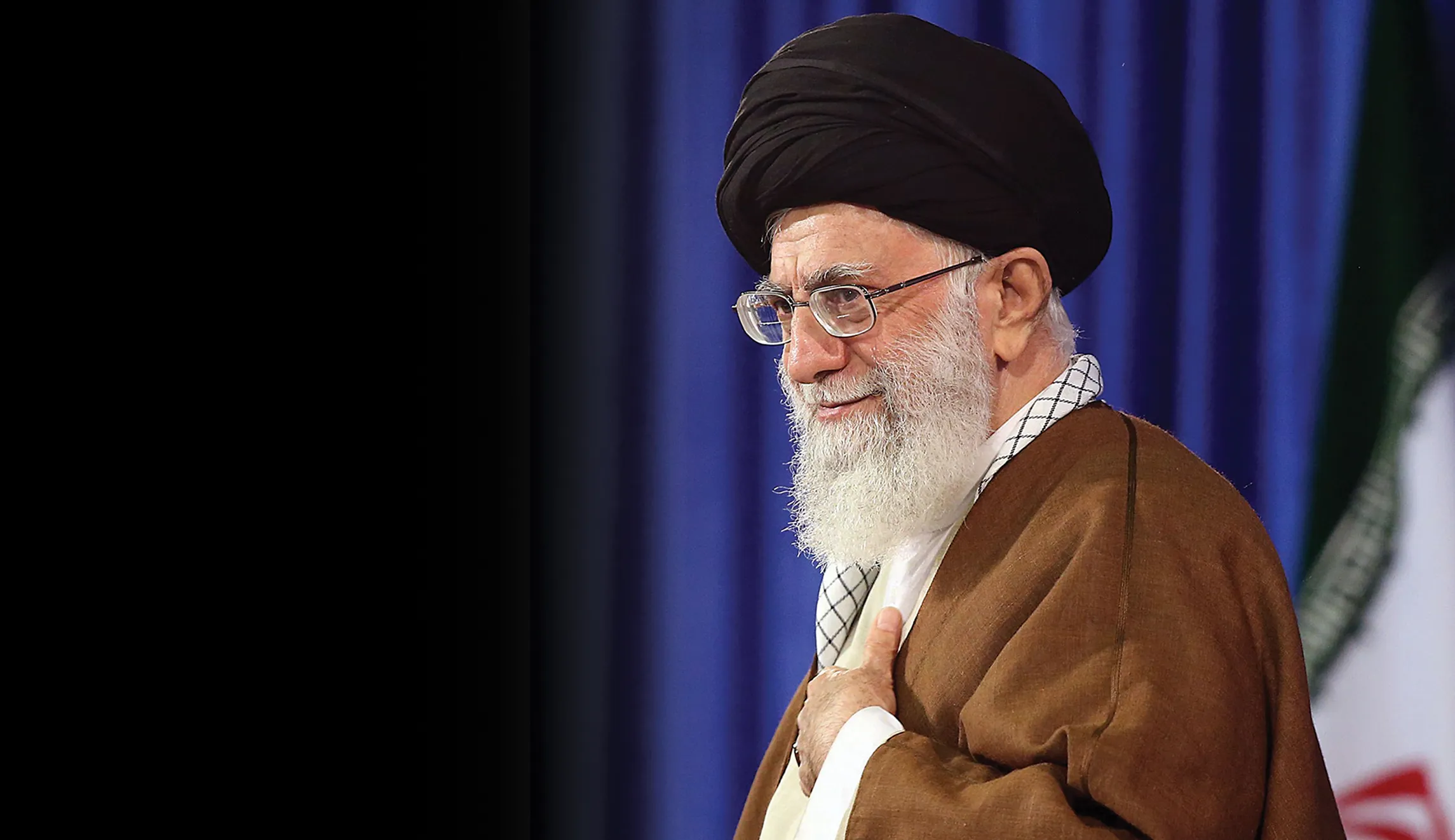
When President Trump withdrew the United States from his predecessor’s nuclear deal with Iran last May, he set in motion what he wanted to avoid, a possible military confrontation with the clerical regime. President Barack Obama and his minions, mainly the ever-polemical deputy national security adviser Ben Rhodes, hyperventilated about the imminence of war with Iran if the Joint Comprehensive Plan of Action, a disingenuous name for a defective agreement, wasn’t followed. But they weren’t lying about the possibility of conflict if Tehran didn’t scale back its nuclear ambitions.
That fear certainly affected Republicans, with critics of the deal as ardent in expressing their pacific intentions as they were their opposition to the deal. No nuke, no deal, no war might be an untenable position as it depends heavily on the Iranian clergy and their praetorians, the Iranian Revolutionary Guard Corps, who oversee the regime’s atomic program.
Stay informed.Stay ahead.
Join Washington Examiner for unlimited access to the news, analysis, and commentary that matter most.
Already a member? Log in
