

The Department of Transportation announced it had opened an audit query, or safety investigation, into Tesla’s new fully autonomous, driverless taxis.
On Thursday, Tesla announced the rollout of its Cybercabs in Austin, Texas. On that same day, the National Highway Traffic Safety Administration filed an inquiry, claiming Tesla lacked “permanently attached, conventional manual controls, such as a brake pedal, gas pedal, steering wheel, and mirrors.”
Recommended Stories


NHTSA said Tesla notified the agency that it had certified the Cybercab as compliant with all applicable Federal Motor Vehicle Safety Standards. Tesla also told the agency that it plans to gradually expand commercial deployment of the Cybercab to additional vehicles and locations.
But the investigation will examine the process and technical data Tesla relied on when certifying the Cybercab, and how Tesla determined that the vehicle met federal safety requirements, given its unconventional design.
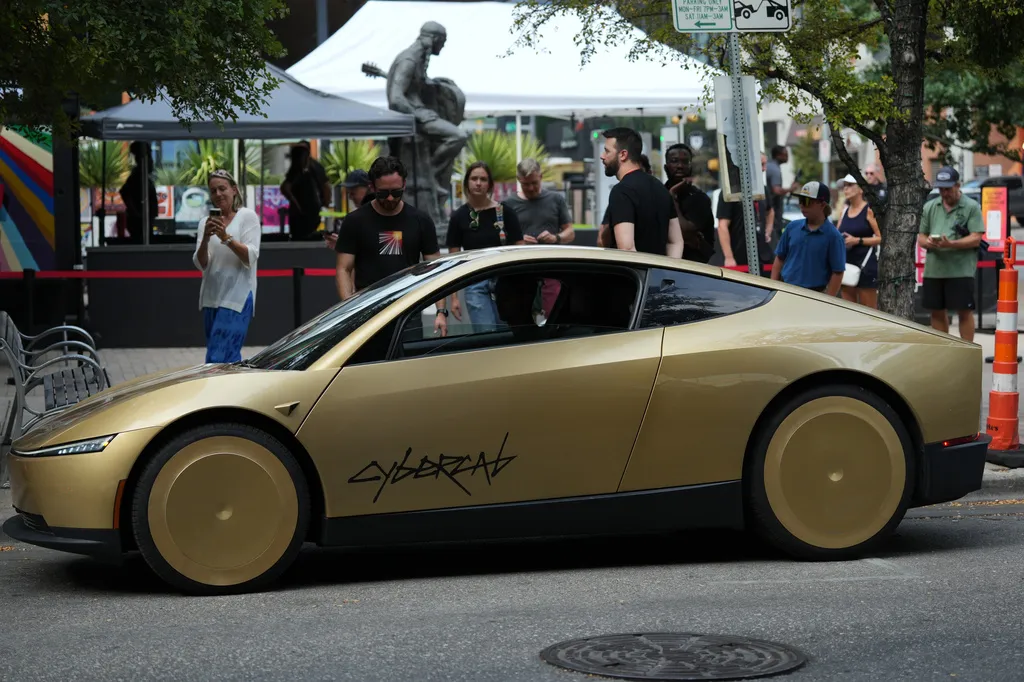
Tesla’s Cybercab is a small, all-electric two-seat coupe designed to operate without a human driver. The auto-taxi features butterfly doors, a large central touchscreen, and a sizable rear cargo area. It is designed to drive itself completely autonomously, picking up paying customers who hail rides through Tesla’s “Robotaxi” app.
INSIDE THE LEFTIST NETWORK WORKING TO SABOTAGE TRUMP’S DC PROSECUTIONS
The vehicle’s approach to autonomous driving also differs from that of competitors such as Waymo and Zoox. While those companies use a combination of lidar, radar, cameras, and other sensors to perceive their surroundings, Tesla relies primarily on cameras for its Full Self-Driving system and the autonomous technology used in the Cybertruck.
Tesla CEO Elon Musk has touted the Cybercab as “the future of transportation,” presenting the vehicle as a major step toward a world in which autonomous cars can provide transportation without a human driver behind the wheel.
