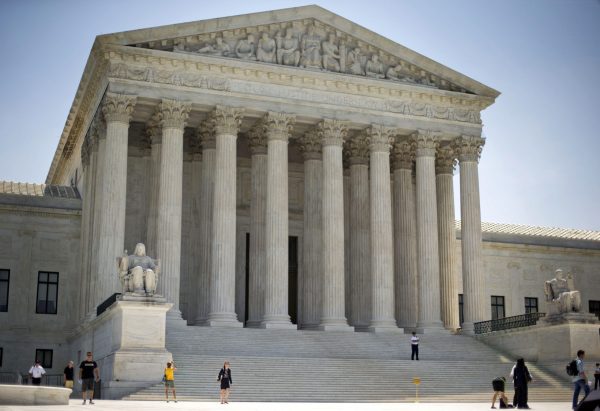
Can one state’s law regulate another state’s natural environment? It’s an issue in the headlines and in the Supreme Court this week, but it’s also a problem practically as old as the rivers. The court can draw on more than a century of the law governing interstate waters to answer some of the key questions.
The Supreme Court heard oral argument yesterday in one of the most important cases of the year, a case about whether two local governments in Colorado can ask a local state court to regulate global climate change through state law. The case before the Supreme Court was brought by the city of Boulder and the county around it, but there are many more similar suits pending against the oil and gas industry, in state courts from Honolulu to Providence. The plaintiffs in every one of those cases have insisted that they’re relying only on state law. The defendants respond that only federal law can govern an interstate (indeed, international) problem like carbon emissions.