
The Amazon cargo plane that crashed at Miami International Airport over the weekend hit a van carrying airport workers and an SUV traveling on a road outside the airport fence as it barreled more than 1,000 feet beyond the runway, federal investigators said Monday.
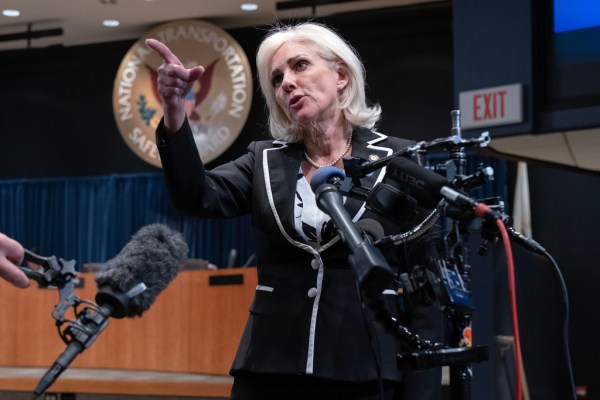
National Transportation Safety Board Chairwoman Jennifer Homendy detailed the path of destruction left by the Boeing 767 during a press conference, describing “utter devastation” as investigators began examining what caused the aircraft to overrun the runway.
Recommended Stories
The Amazon Prime Air flight, operated by cargo carrier 21 Air, was arriving from San Juan, Puerto Rico, with two crew members aboard when it crashed. Homendy said the plane first struck navigational aids and other airport equipment before hitting a white Ford Econoline van belonging to a company that provides cleaning services for airlines.
“I would describe it in one word [as] devastating — utter devastation,” Homendy said. “I mean, you can see on the paved surface tire marks that continue through the grass. There’s debris everywhere. The Econoline van is torn apart … and then the vehicle itself, the SUV. You can see airbags, the surrounding airbags. You can see components from vehicles, both passenger vehicles and the aircraft itself.”
After hitting the van on airport grounds, the plane then crashed through the airport fence and struck a Toyota Corolla Cross traveling outside the airport before continuing across the grass and hitting another fence. The plane ultimately traveled 1,300 feet beyond the end of the paved surface, Homendy said.
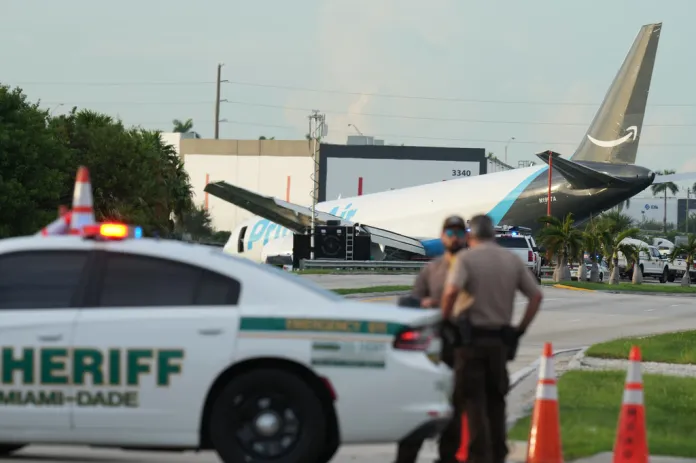
Five people were killed and five others were injured in the crash, three of whom were critically injured, according to officials. She did not comment on the status of the aircrew.
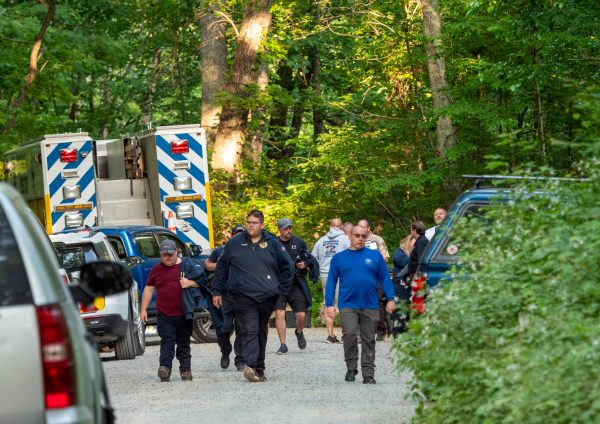
The NTSB chairwoman said she walked the path of the crash Monday, describing debris from the aircraft, vehicles, airport equipment, and fuel as being scattered across the area as recovery personnel continue to work on the scene.
“There’s fuel everywhere that will have to be remediated,” she said. “But then they are also removing fuel from the aircraft, so we have to allow that to occur. And as we speak, recovery operations continue. The recovery of victims is most important. The investigation and access to the aircraft, as well as evidence, can wait while that goes forward.”
Homendy said investigators were able to recover the aircraft’s flight data recorder and cockpit voice recorder, which were being sent to the NTSB’s Washington headquarters for review. She said investigators have information about the aircraft’s speed but would not release it until it can be verified against the flight recorder.
AT LEAST FIVE PEOPLE DEAD IN MIAMI PLANE CRASH: OFFICIALS
Investigators will also examine MIA’s lack of an engineered materials arresting system, or EMAS, at the end of the runway, Homendy said. The system uses “crushable” material designed to slow and stop an aircraft that overruns a runway. Homendy said it was too early to determine whether such a system could have prevented the crash.
The NTSB expects to remain at the scene for at least a week but will not determine the probable cause of the crash while investigators are in Miami. Homendy said the on-scene phase will focus on documenting the wreckage and collecting evidence before it disappears or deteriorates.